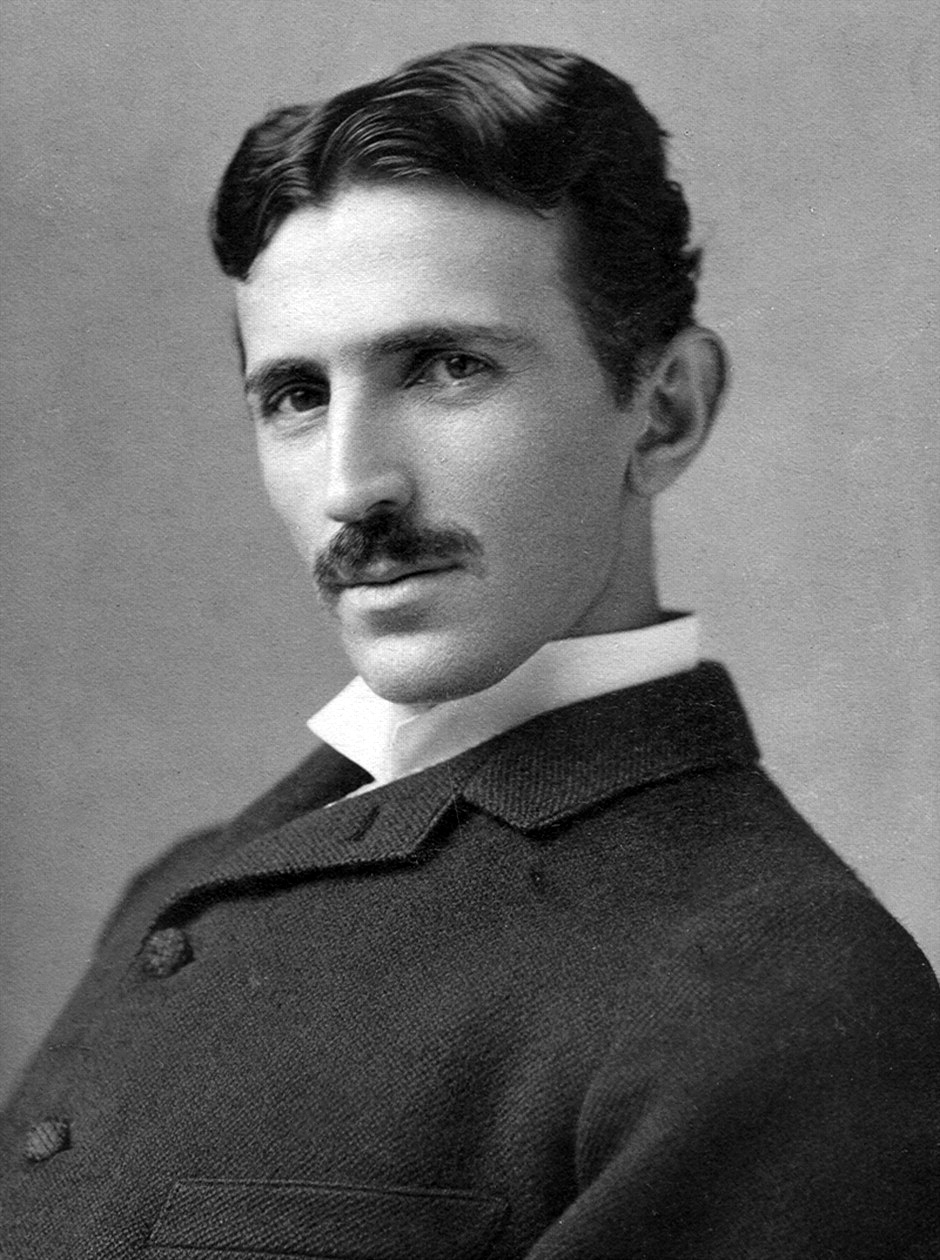
This was the first time participating in a contest by myself. The contest itself is a tribute to Nikola Tesla who was born 170 years ago, in 1856 and is limited to using only CW and two bands: 80m and 40m. It has a pretty lengthy exchange, RST (599), the serial (1, 2, etc.) and the locator square (JO22 for me).
https://radiosport.yu1srs.org.rs/HFTeslaMemorial
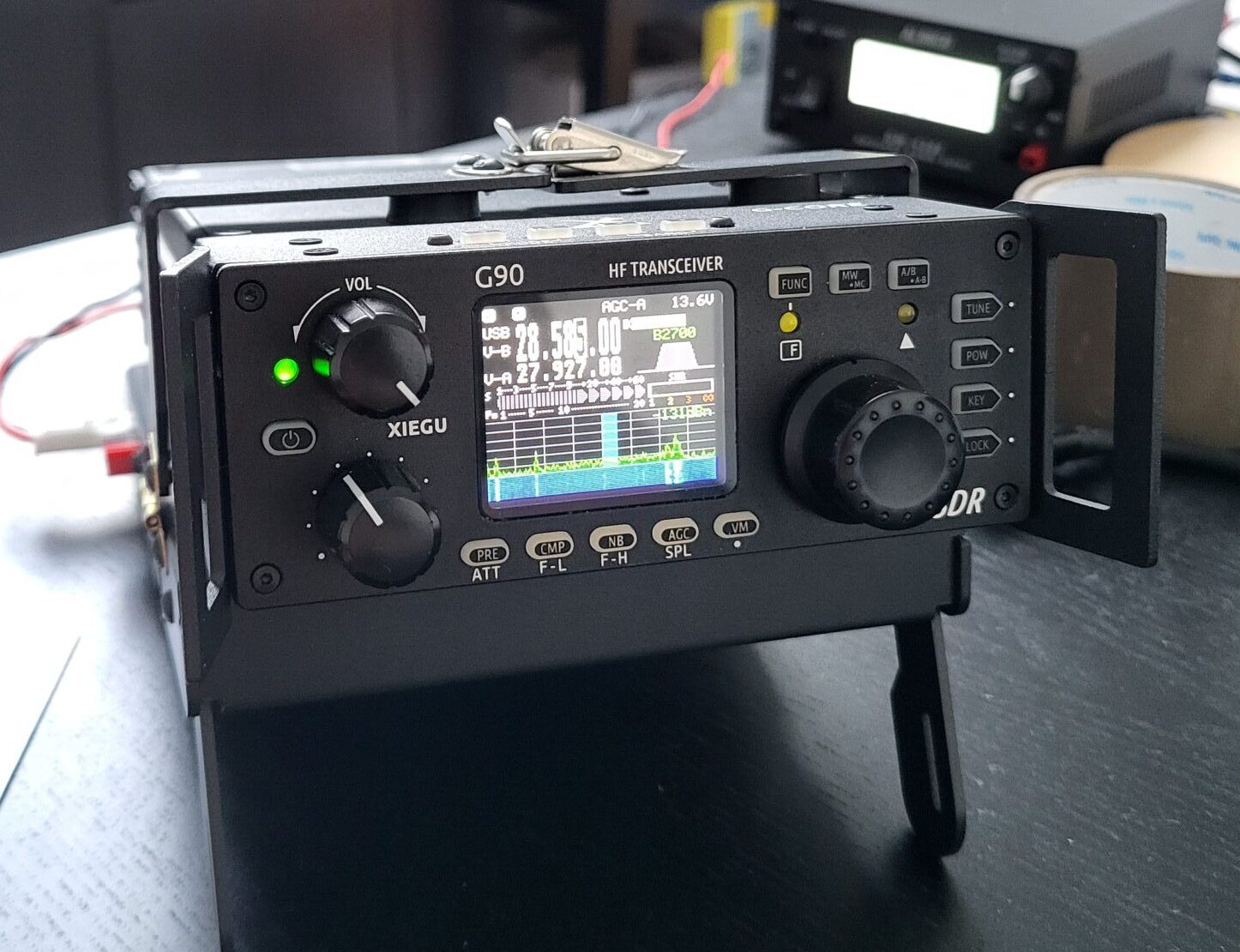
I tried out some different combinations of my radios and the laptop to see what worked best and settled on using the QRP-Labs QMX. It just works wonderfully, it has the one USB-C port which gives me an audio-in, CAT control and (after installing the latest firmware) CW keying through a virtual DTR pin. After all that the normal audio and paddle jacks still work as expected – allowing me to key at something I can manage (20 wpm) while using higher speed through N1MM. Aside from having to use Windows to get N1MM Logger+ running it was a perfect setup.
As the QMX only does 5W and doesn’t go below the 60m-band I was limited to the SOSB QRP 40m category (Single-Op, Single-Band, 5W and the 7 MHz band), which is fine.
It was quite an experience, because of the lower power I wasn’t able to get through to all the stations calling CQ, at least not when other people were also calling, but I still managed 21 QSOs. Unfortunately, when uploading the log I found out that my first contact was logged as E2CW which is apparently a Thai callsign, it should probably be E7CW, but he’s in the log at a later time anyway.
Had a pretty good time, but trying to copy 35-40 WPM CW for hours on end is hard work. I had to settle for listening to each station for a while, trying to get the exchange for other callers so I could predict my exchange and I would only have to focus on making sure the message got across. This worked pretty well, but means listening for a few minutes to a station before trying to reach out – and, again, not all of them could read me.
Either way, it was a good way to get some QSOs in and practice CW a little more. Maybe I’ll join some more in the future.